From Kickoff to Call-Outs: How Employers Can Plan for Culturally Significant Events, not just Super Bowl Sickness
Every year, it happens.
The confetti settles. The commercials are debated. The last slice of pizza is claimed. And then…Monday morning arrives.
For employers across the country, the Monday after the Super Bowl has earned a nickname: Super Bowl Sickness. It’s the predictable spike in unplanned absences, late arrivals, and productivity dips that ripple across workplaces nationwide.
And the numbers back it up.
Research from UKG estimates that 26.2 million U.S. employees may miss work on Super Bowl Monday this year. Of those:
- 13 million planned ahead and received pre-approval for time off
- 5 million swapped shifts with coworkers
- 3 million will make a game-day decision to call out
- Up to 5 million may arrive late without notifying their employer
All told, that single Monday can carry an estimated $6.8 billion economic impact.
Why Super Bowl Monday hits so hard
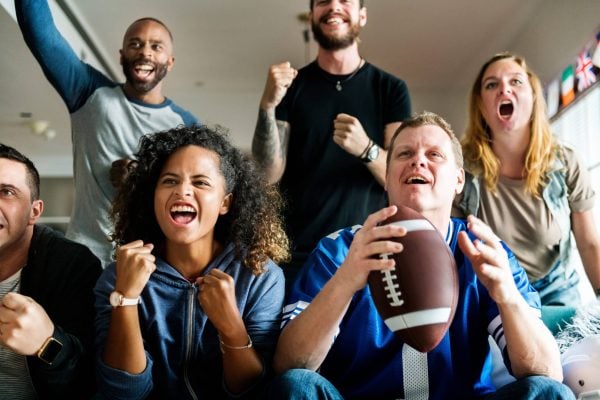
The Super Bowl isn’t just a game. It’s a cultural event built around food, parties, alcohol, commercials, and emotional investment. Games run late. Celebrations stretch past midnight. And when unexpected teams make it to the big stage, like the Seahawks and the Patriots this year, excitement runs even higher.
Certain regions will likely feel the effects more than others:
- The Pacific Northwest and Boston, where fan loyalty runs deep for the Seattle Seahawks and New England Patriots
- San Francisco, where hosting the game means celebrations often continue well after the final whistle
The result? A workforce that’s enthusiastic, exhausted, or simply opting out for the day.
This isn’t just about football
The Super Bowl is a case study – but it’s not unique.
Large concerts, festivals, major conferences, the Winter and Summer Olympics, March Madness and global events like the FIFA World Cup all create similar workforce dynamics. These moments matter to employees, and when leaders ignore them, disruptions show up anyway, just without a plan.
What employers can do (before the call-outs start)
1. Plan ahead, on purpose
If you haven’t already:
- Confirm shift coverage needs
- Decide what “lower productivity” realistically looks like for the day
- Adjust expectations for meetings, deadlines, or output
A lighter Monday may be far more effective than pretending it’s business as usual.
2. Recognize how work has changed
Post-COVID workplace trends show that Tuesdays and Wednesdays are now the busiest in-office days, not Mondays (Envoy). Hybrid schedules, four-day workweeks, and flexible arrangements have turned Mondays into “ramp-up” days, and Super Bowl Monday amplifies that shift.
Many organizations will also see an increase in remote work that day. For roles that allow it, flexibility can be part of the solution.
3. Communicate early, and often
This is not the week to be vague.
Talk openly with teams about:
- Who plans to be out
- How coverage will be handled
- The impact of last-minute call-outs on coworkers, production, and morale
Clear communication reduces frustration and protects trust.
4. Flex where you can
If your business allows:
- Start shifts later
- Adjust staffing levels temporarily
- Prepare a scaled-down operating plan
If coverage is critical, consider contingency options such as temporary staff, retirees who might come back in a pinch, or staffing partners who can step in for the day.
5. Reward the people who show up
Super Bowl Monday is an ideal opportunity to reinforce culture.
Ideas that resonate:
- Leadership-hosted breakfast
- A coffee bar or grab-and-go snacks
- Small thank-yous that align with company values
What not to do: roll out a major company announcement. This day is about appreciation, not pressure. “When leaders lean into what employees care about, they turn potential distraction into a chance to strengthen culture.” (SHRM)
The bigger takeaway
Super Bowl Sickness isn’t a failure of work ethic: it’s a reminder that employees are people first. Organizations that anticipate culturally significant moments, plan intentionally, and lead with flexibility don’t just weather these days better, they build trust.
And trust, unlike a Monday call-out, pays dividends long after the final score.
Ready to plan ahead?
Cultural moments aren’t going away—and neither are the workforce challenges that come with them. Employers who plan ahead, communicate clearly, and build flexibility into their staffing strategies are best positioned to stay productive without sacrificing culture.
If you need help planning for workforce fluctuations – whether for a major event or day-to-day coverage – West Sound Workforce is here to help.